Status
Subject
Project duration
2016
Jewish Women in Europe: Creating Alternatives
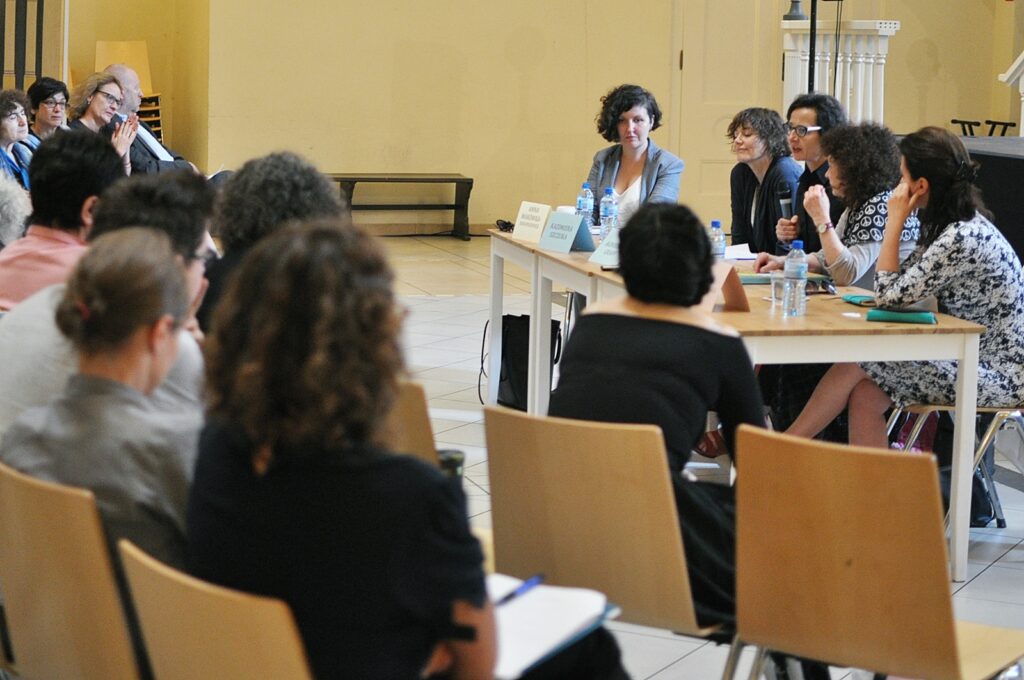
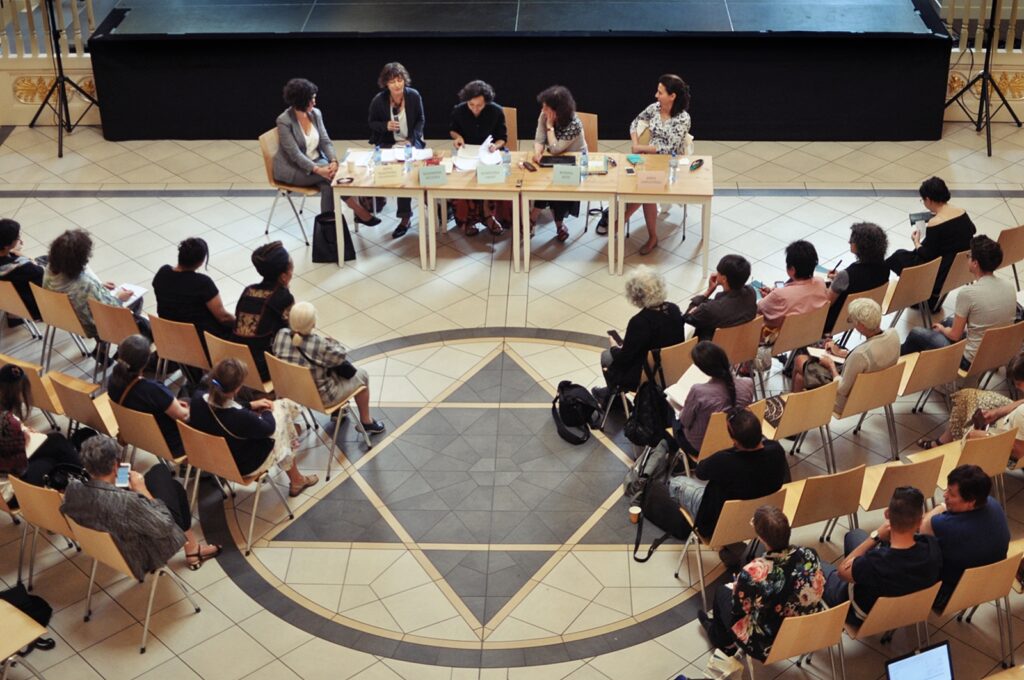
The project was implemented as an international conference embedded in a significant historical and symbolic context for the Jewish community in Europe. The date and location of the event referred to pivotal moments of the 20th century—the outbreak of World War II on September 1, 1939, and the fate of the Jewish community of Breslau (present-day Wrocław), once one of the largest in Germany, which was almost completely annihilated. An additional context was the European Day of Jewish Culture, celebrated under the theme “Jewish Languages,” which made it possible to frame the conference activities around Yiddish—a language that was a foundation of Jewish life and culture before the war.
The Czulent Association implemented a project aimed at restoring the memory of Jewish heritage and highlighting the role and achievements of women in shaping it. The conference created a space for reflection on the contributions of Jewish women to the development of a diverse and vibrant Judaism, as well as their contemporary engagement in building an open, tolerant, and pluralistic Europe.
The event served as a platform bringing together academic, artistic, and social communities. Participants had the opportunity to learn about contemporary Jewish life in Poland and to engage directly with activists, artists, filmmakers, and writers of Jewish origin. The central theme of the conference was “creating alternatives,” understood as the search for new models of women’s presence within social and religious structures.
During the conference, an in-depth discussion was initiated on equal opportunities for women and their access to existing organizational structures, as well as the need to create alternative spaces for action. Particular emphasis was placed on the areas of education, politics, art, and culture, analyzed from the perspective of women’s experiences and the demands they articulate.
The project brought together participants from Eastern and Western Europe, Israel, and the United States, creating a unique space for international exchange of ideas. The conference inspired further action and cooperation among academic, religious, and social communities, strengthening the position of the Czulent Association as an organization initiating important, bold, and necessary debates on the future of Jewish life in Europe.
Project materials and results
Project support and cooperation
Leader of the project:
- Bet Debora (Berlin)
Partners:
- Bente Kahan Foundation (Wrocław)
- Jewish Association Czulent
The project was funded by the following sources:
- American Jewish Joint Distribution Committee
- Róża Luksemburg Foundation
- Westbury Group